Dodge The Beat Advanced Tips and Survival Habits
Read patterns earlier, dash less, and clear hard charts with smarter lobby habits.
Once you understand the basic verbs from Controls, improvement comes from habits: where your eyes look, when you spend dash, how you behave in eight-player rooms, and how you rehearse brutal songs like NEON. This tips guide is a playbook for cleaner clears, not a list of cheats. Use it alongside Modifiers when lobbies get spicy and the Tier List when you need a practice order.
Pattern reading that actually sticks
Stop staring at your avatar. Your eyes should track the next telegraph while your hands finish the current movement. Think one beat ahead. During buildups, identify the lane you want before the drop lands. During drops, simplify: pick a pocket, commit, then micro-adjust.
Chunk patterns into motifs. If a chart reuses a three-lane swipe, name it mentally and react to the name instead of each individual hazard. Naming reduces panic. After a death, replay the bar in your head before you mash retry. The goal is to remember the read, not the failure feeling.
Audio is part of reading. Headphones help you hear the accent that predicts a dense wall. If the mix is muddy on Mobile speakers, switch audio devices before you blame the chart.
Dash timing discipline
Dash is a scarce resource even when the cooldown feels short, because bad dashes create new problems. Walk first. Dash second. A useful drill from warm-ups: clear an easy song with a self-imposed dash budget, then clear it again aiming lower. When your budget shrinks without dying more, your reading improved.
Dash into known safe space, never into fog. If particles obscure the landing, delay a fraction and take a smaller move instead. On One Hit Wonder runs, this rule becomes absolute.
Co-op roles in rooms up to eight players
Multiplayer is not only a difficulty multiplier; it is a traffic problem. Other players occupy lanes you wanted. Adopt light roles even without formal assignments:
- Pace setter: keeps calm movement during the first half so the lobby does not panic early.
- Caller: if voice or chat is available, names upcoming scary bars without spamming.
- Anchor: prioritizes survival over Stars races so at least someone finishes.
- Scout: tries a risky pocket once and reports whether it was real.
You can rotate roles between songs. What matters is that not everyone greedily contests the same pixel. When Stars competition modifiers are active, agree whether the room is playing for fun chaos or coordinated clears.
Friendly rooms should also manage votes. Protect newer players from stacked expert plus One Hit Wonder picks. Point them back to Getting Started energy: learn the chart, then add pain.
Bots as a training tool
Bots mode is underrated practice. Bots create moving bodies without social judgment. Use them to rehearse lane changes when space is contested. Run the same mid chart three times: once focusing only on walks, once allowing dashes, once with a modifier you are studying.
Bots also warm you up before public eight-player lobbies. If you cannot stay calm with bots nearby, humans will feel worse. Fix the habit in bots first.
Surviving hard charts like NEON
NEON is a landmark difficulty conversation in Dodge The Beat, especially because beating it with One Hit Wonder ties into the One Shot.. badge. Respect that climb:
- Clear easier songs in the same session until your hands are warm.
- Clear NEON on normal rules until the scary bars are memorable.
- Practice those bars with intentional restarts instead of full-song tilt loops.
- Attempt One Hit Wonder only when a normal clear feels almost boring.
- Stop after a short set of focused tries; fatigue invents new mistakes.
Break the song into sections. Win the intro, then the first drop, then the bridge. Section wins compound into full clears. If a community chart feels like NEON-tier punishment, apply the same sectional method and verify fairness using advice from Community Charts.
Session structure for steady gains
A strong hour looks like this:
- 10 minutes easy warm-up with dash budget drills.
- 20 minutes mid charts or targeted hard sections.
- 15 minutes modifier or multiplayer practice.
- 10 minutes stretch-goal attempts.
- 5 minutes cool-down on a fun song so you quit while smiling.
Check Updates when a patch lands; timing and UI changes can invalidate yesterday’s muscle memory. Recheck settings after updates as noted in the controls guide.
Mental tips that protect accuracy
Tilt is a mechanical debuff. After two angry deaths, change the song. After a good clear, take a sip of water before you queue something harder. Celebrate sectional progress, not only full clears. Rhythm dodge games reward emotional regulation as much as raw speed.
Avoid rewriting binds mid-tilt. Avoid stacking a new community expert chart with a new modifier on a new device. Change one variable at a time.
Creator-minded practice
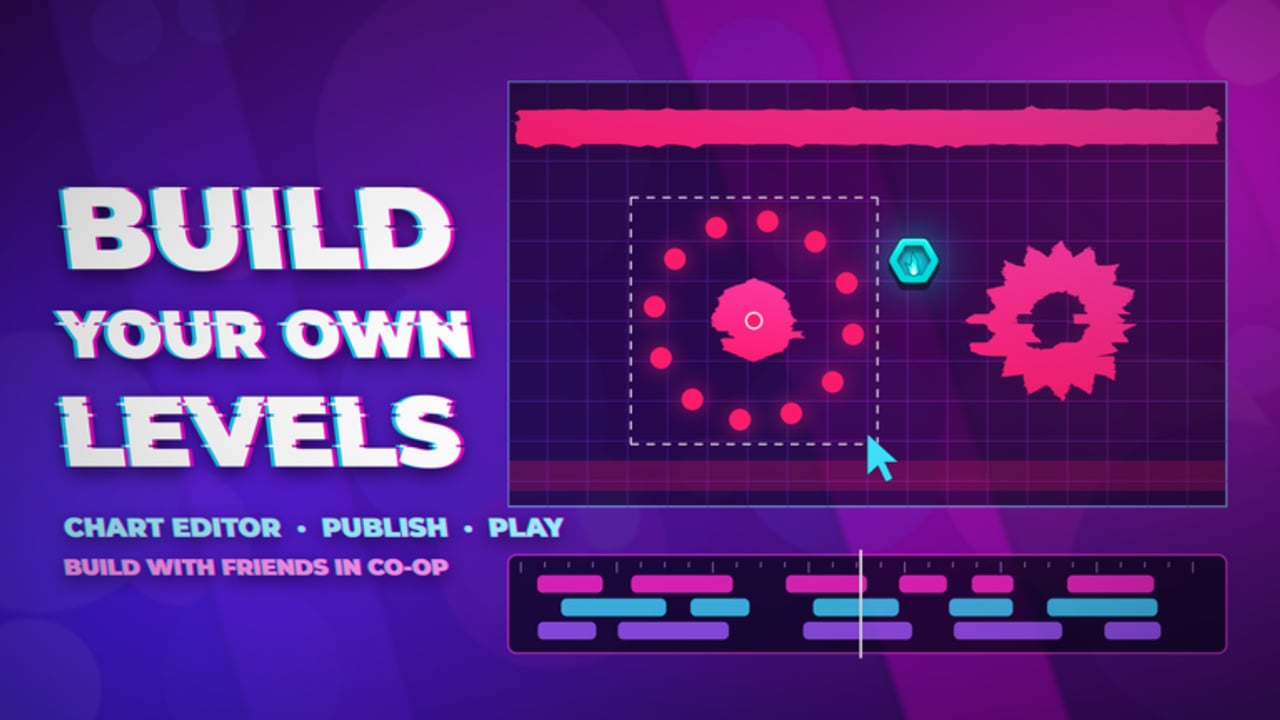
If you also build charts on PC, play other creators with a designer eye. Note which telegraphs felt kind. Bring those lessons into the Chart Editor. Playing generously makes you design generously, and the lobby notices.
Quick reference habits
- Eyes lead hands by one beat.
- Walk before dash.
- Warm up before NEON.
- Use bots before chaotic multiplayer.
- Vote modifiers intentionally.
- Stop while you still have clean inputs.
These tips compound. Combine them with smart modifier choices and honest tier planning, and charts that felt impossible last week become your new warm-up. Stay patient, stay musical, and let each session teach one clearer read.
Frequently Asked Questions
Quick answers for Dodge The Beat players.
What is the best way to practice dash timing?
Impose a dash budget on easy charts and lower it over repeats. Walking more forces earlier reads and saves dash for true emergencies.
How should eight-player lobbies organize?
Use light roles: someone prioritizes survival, someone keeps calm pace, and the room avoids stacking unfair votes on mixed-skill nights.
How do I prepare for NEON and the One Shot.. badge?
Master NEON on normal rules first, drill the deadly bars in short sets, then attempt One Hit Wonder only when normal clears feel consistent.
Are bots useful if I mainly play multiplayer?
Yes. Bots train contested-lane movement without social pressure and make a strong warm-up before eight-player rooms.